
2 Days in Mumbai Before a Cruise: Markets, Street Life, Food, and Local Culture

This post is part of a series on what to do when you have one day in port on a Cruise. You can find more posts from this series on my page,
How To Spend One Day In Port.
After six days exploring India’s Golden Triangle, we flew from Jaipur to Mumbai for two nights before embarking on our Southeast Asia cruise.
Mumbai felt completely different from the India we had just experienced. While Delhi, Agra, and Jaipur are known for their forts, palaces, and monuments, Mumbai is India’s financial capital. In this fast-paced city, colonial architecture, crowded markets, luxury hotels, and modern skyscrapers share the skyline.
Many cruise passengers spend only one night here before embarking. We decided that spending 2 days in Mumbai before a cruise would give us more time to explore local neighborhoods, markets, and everyday life beyond the city’s most famous landmarks.
“It became one of the most memorable parts of our entire India journey.”
This article may contain affiliate links. We may earn a commission if you use these links to buy products or services. Please see our disclosure policy for full details. Thanks.
First Night in Mumbai: Dinner at Leopold Café
After checking into the Suba Palace Hotel in Colaba, we headed to Leopold Café, one of Mumbai’s most famous restaurants, to meet our guide, Anand Sharma, who shared insights into life in modern Mumbai over dinner.
Opened in 1871, Leopold has welcomed travelers, locals, and expatriates for more than 150 years. Many visitors recognize it from the novel Shantaram, and others know it as one of the locations affected by the 2008 Mumbai attacks. Today, it remains one of the city’s most popular gathering spots.
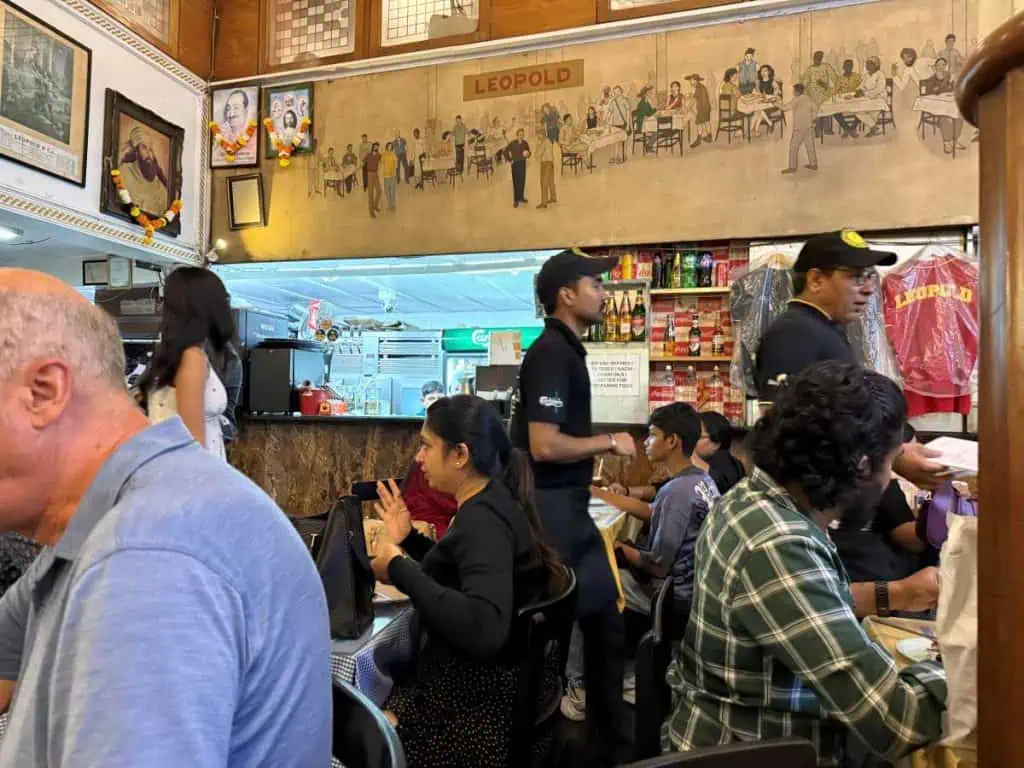
Our conversation ranged from family life and education to the city’s rapid growth and ever-present traffic. As first-time visitors, we had the opportunity to hear about Mumbai from someone who experiences it every day rather than through a guidebook’s lens.
Later that evening, we walked back through Colaba’s busy streets, past restaurants, street vendors, and crowds that showed little sign of slowing down. It was our first glimpse of Mumbai’s energy — and an intriguing introduction to the city we would spend the next two days exploring.
Day One: Discovering the Mumbai Most Visitors Never See
The next morning, we met up with Anand to explore a rarely seen side of Mumbai. Our day focused on the neighborhoods, businesses, and industries that help keep one of the world’s largest cities moving.
Dharavi: Looking Beyond the Headlines
For many visitors, Dharavi is known simply as one of Asia’s largest slums. Before arriving, we carried some of those same assumptions.
What we discovered was far more complex.
While Dharavi faces undeniable challenges, it is also home to thousands of small businesses and workshops that fuel a surprisingly large local economy. As we walked through the neighborhood, we passed plastic recycling operations, potters, leather workshops, bakeries, and textile producers. Everywhere we looked, people were working.
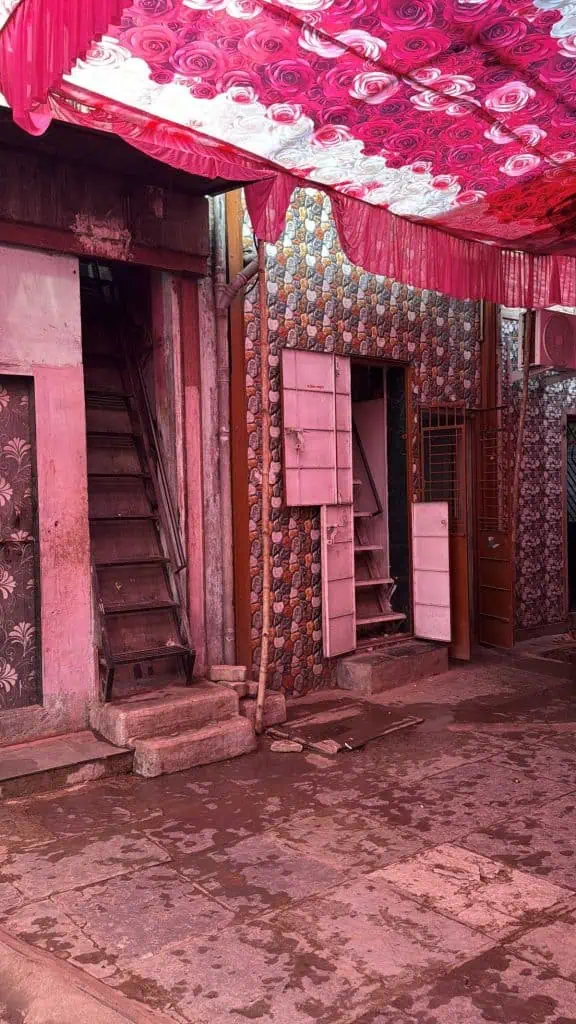
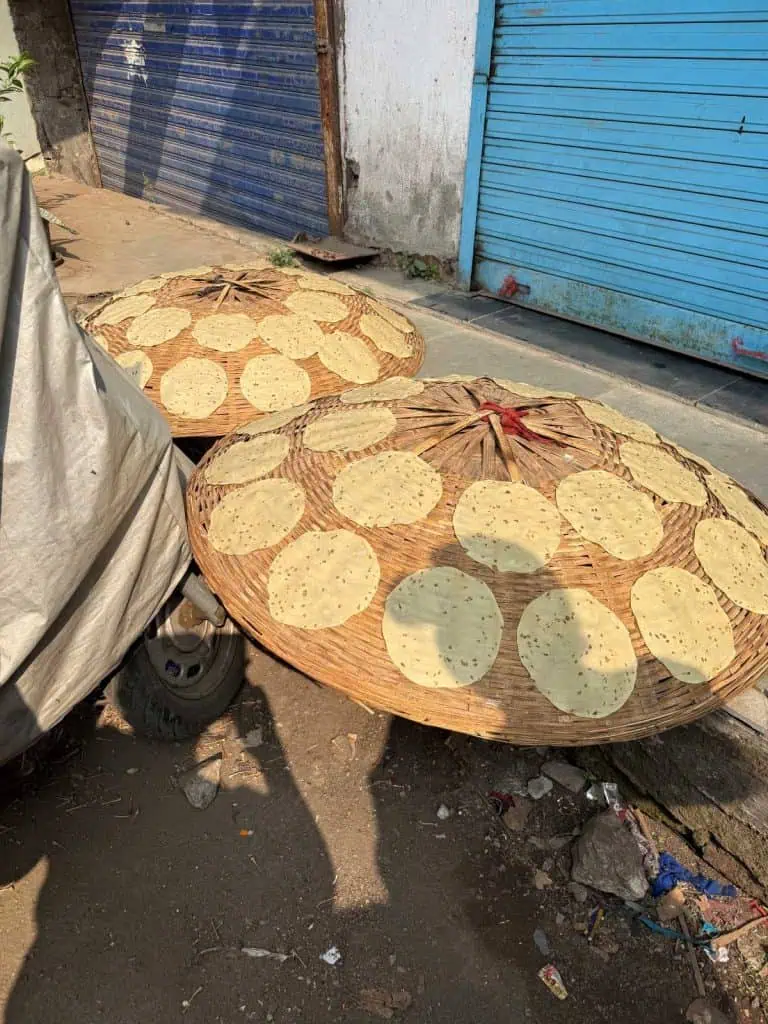
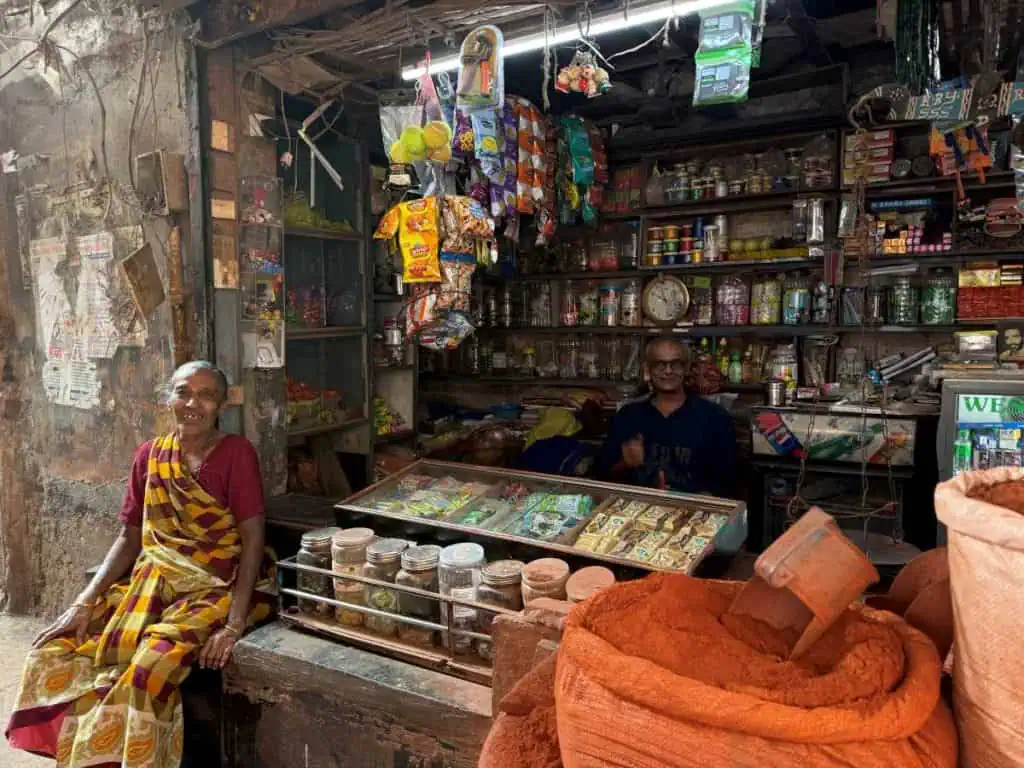
Our guide explained that many families live above or beside the businesses they run. What stood out most was the entrepreneurial spirit. Rather than a community defined solely by poverty, we found one built on resilience, resourcefulness, and hard work.
Perhaps the biggest surprise was the pride people took in their work. Business owners welcomed questions, workers focused intently on their craft, and everyday life unfolded much as it does anywhere else.
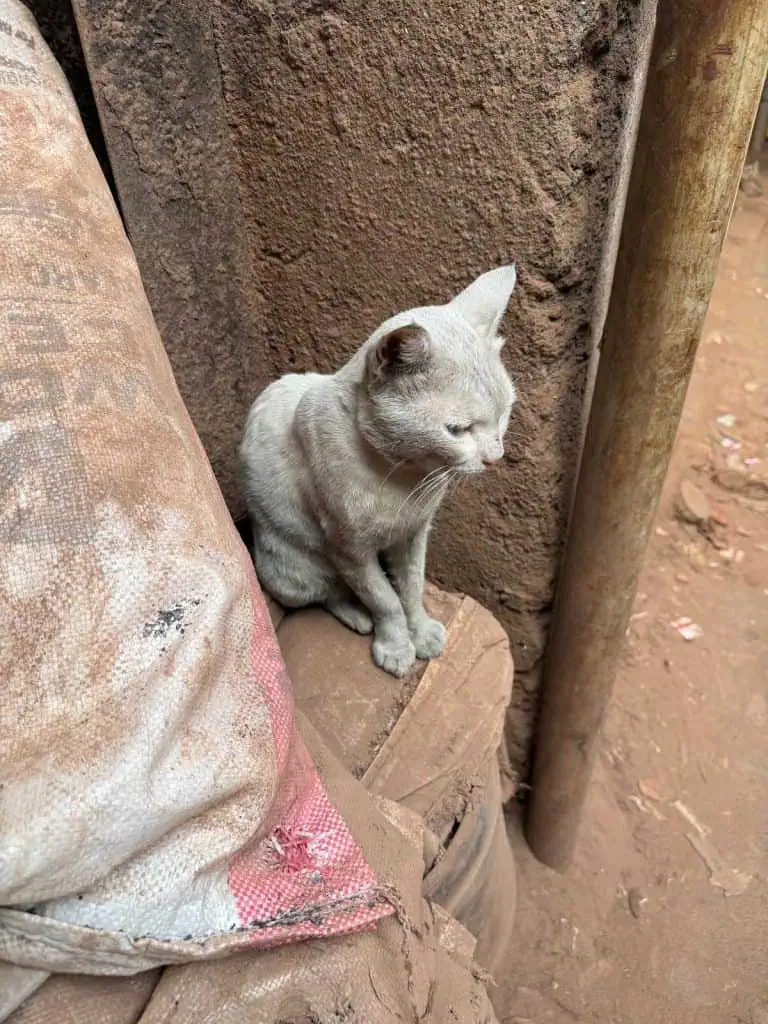
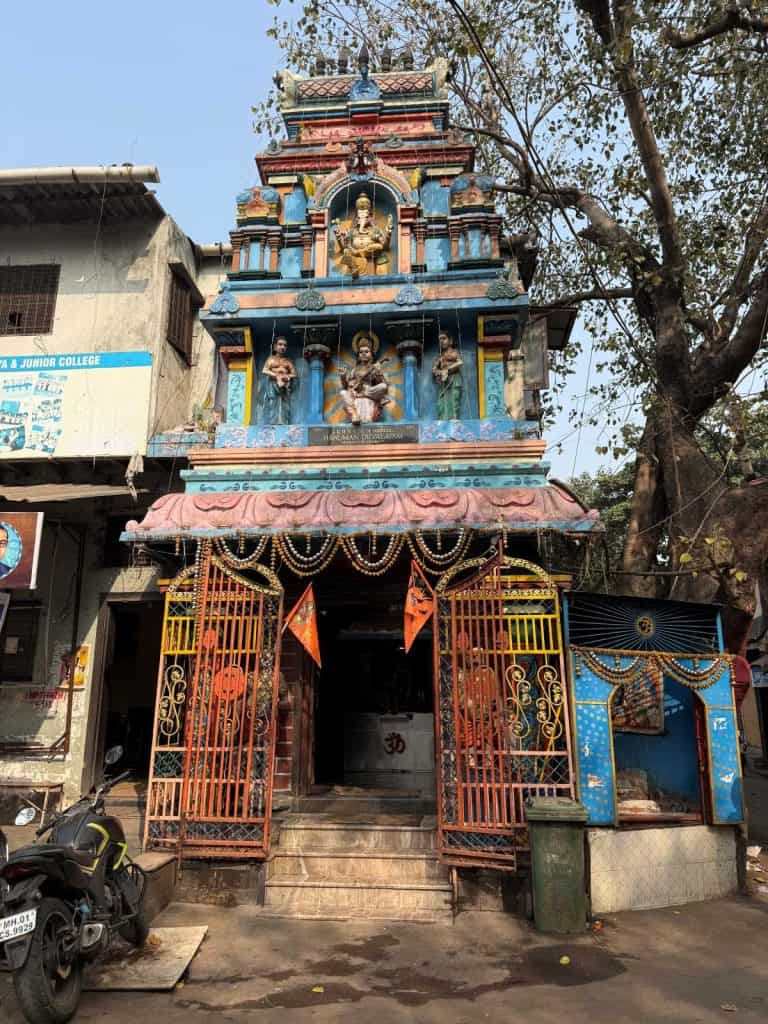
Dharavi challenged many of our preconceptions and became one of the most eye-opening experiences during our time in Mumbai. More than anything, it reminded us that places are rarely as simple as the headlines suggest.
Dhobi Ghat: Mumbai’s Giant Outdoor Laundry
Our next stop was Dhobi Ghat, believed to be the world’s largest open-air laundry.
From an overlook above the complex, hundreds of concrete washing pens stretched before us. Workers scrubbed garments by hand while others sorted, dried, ironed, and prepared deliveries. Sheets hung drying in the sun, and activity seemed to fill every available space.
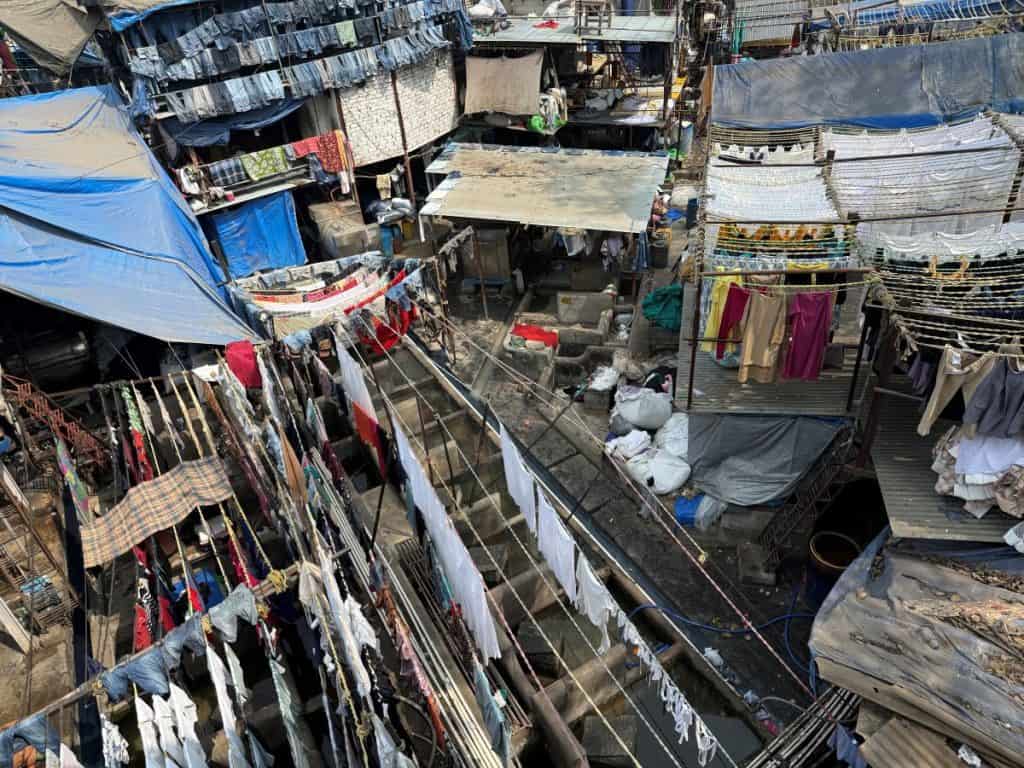
Established in 1890, Dhobi Ghat continues to process laundry for hotels, hospitals, businesses, and households across Mumbai. What may seem chaotic is actually a remarkably organized system that has operated for generations.
“Standing above the washing stations, we gained a new appreciation for the unseen work that keeps Mumbai running.”
Visiting a Cow Sanctuary in Bhuleshwar
One of the more unexpected stops on our tour was a cow sanctuary in Mumbai’s historic Bhuleshwar neighborhood.
Like many visitors, we had seen cows throughout our travels in India, but this visit helped us understand their deeper cultural significance. At the sanctuary, cows and calves are cared for by a charitable trust, underscoring the special place cows hold in Hindu tradition.
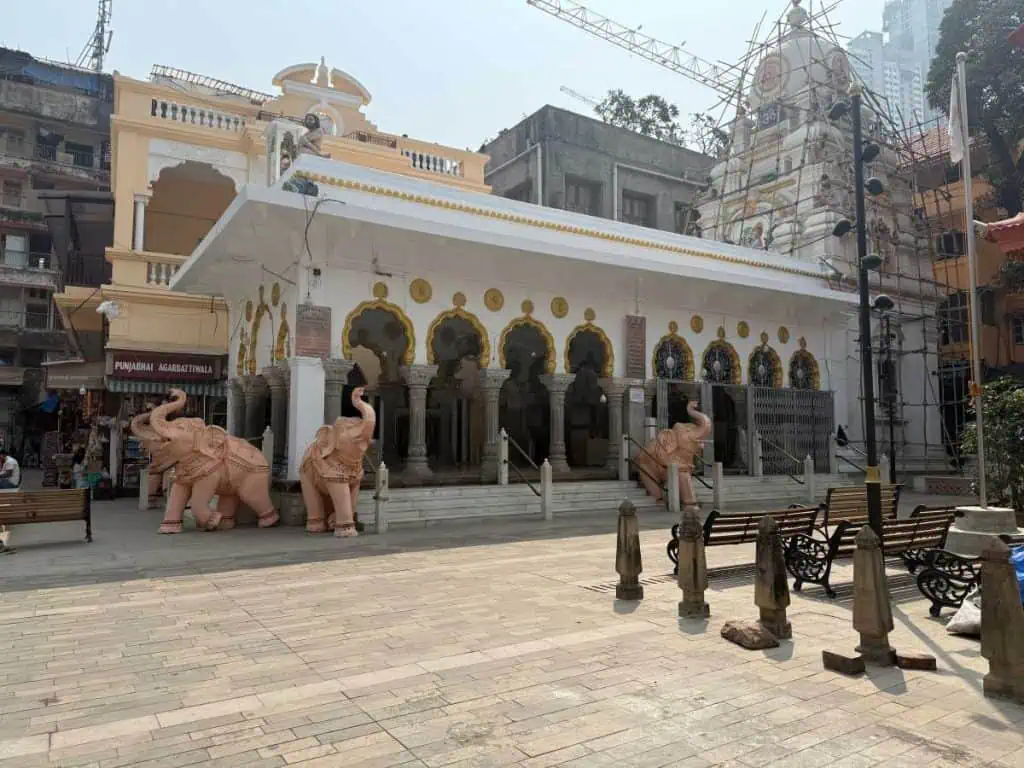

Anand explained that cows symbolize nourishment, generosity, and life itself. Rather than merely hearing about these beliefs, we had the chance to experience them firsthand by feeding several young calves and learning about the sanctuary’s work.
The visit offered a welcome respite from Mumbai’s busy streets and provided valuable insight into a tradition that remains an important part of daily life for many Indians. More than a photo opportunity, it helped us better understand one of the cultural values we encountered throughout our journey.
Exploring Chor Bazaar
Known as the “Thieves Market,” Chor Bazaar is one of Mumbai’s oldest and most colorful shopping districts.
Walking through its narrow lanes felt like stepping into a treasure hunt. One shop displayed antique clocks and brass lamps, while the next overflowed with vintage cameras, old Bollywood posters, and colonial-era furniture. Every corner seemed to reveal another unexpected discovery.
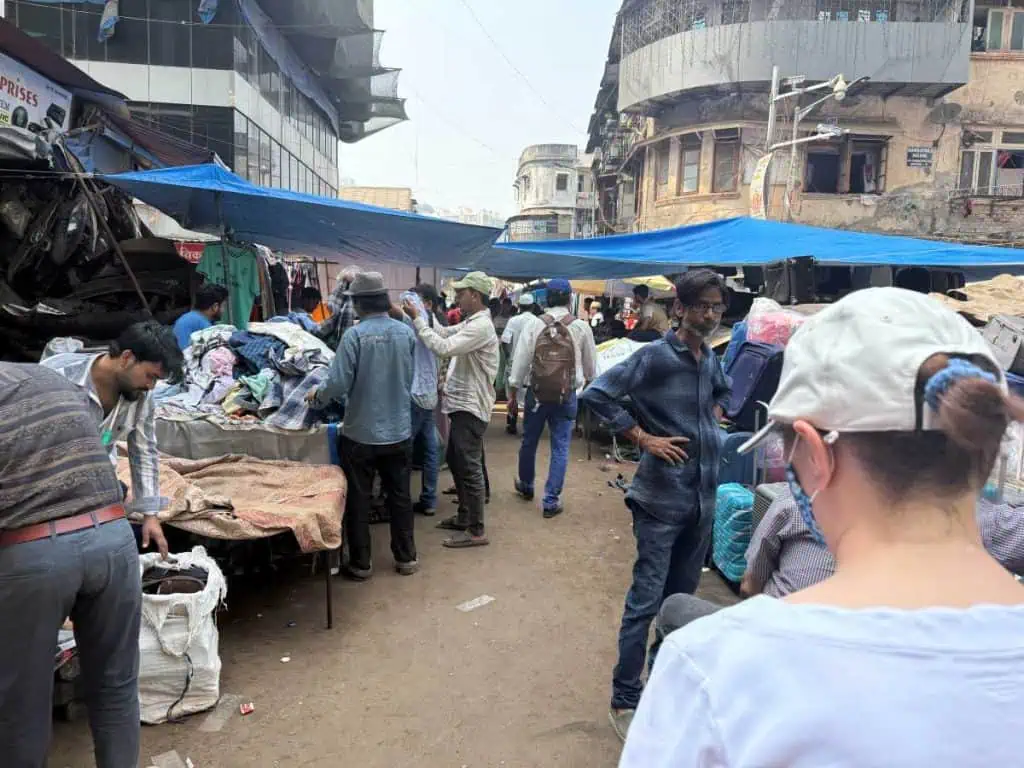
Even for travelers with no intention of shopping, Chor Bazaar is worth a visit for its atmosphere alone. Vendors haggle with customers, motorcycles squeeze through crowded lanes, and the constant bustle creates an energy that feels uniquely Mumbai.
We only scratched the surface, but Chor Bazaar offered a fascinating glimpse into one of the city’s most vibrant and eclectic neighborhoods.
Dinner at Delhi Darbar
After a full day of exploring Mumbai, we headed to Delhi Darbar for dinner. A funny thing happened here. Before traveling to Mumbai, we watched the “Somebody Feed Phil” segment on the city to find good places to eat. We totally missed this restaurant in the show, but right behind my DH’s head was Phil’s picture letting us know he’d been here.
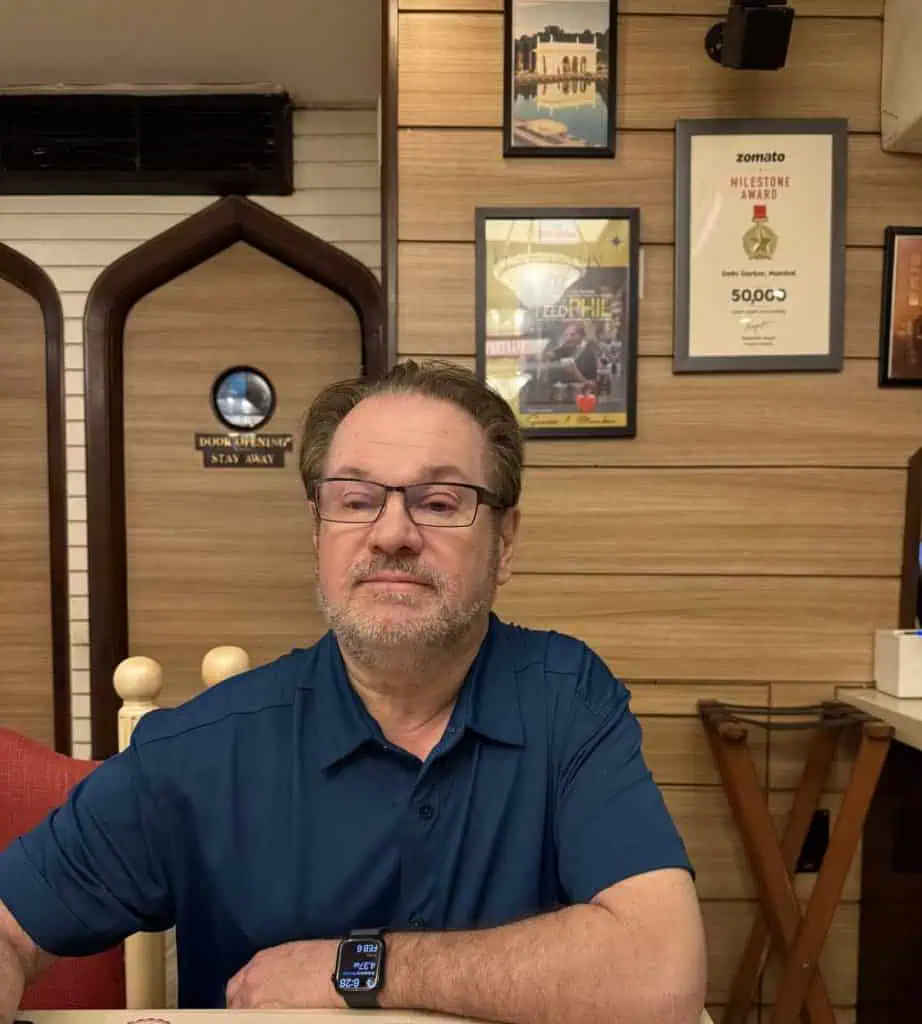
Known for its Mughlai cuisine, the restaurant was bustling with locals and visitors alike. We enjoyed a meal of classic North Indian dishes as we reflected on everything we had seen throughout the day.
It was a welcome chance to slow down before one final stop: seeing Mumbai’s magnificent Chhatrapati Shivaji Maharaj Terminus lit up after dark.
Chhatrapati Shivaji Maharaj Terminus After Dark
Just outside the restaurant on Shahid Bhagat Singh (SBS) Road, aka Colaba Causeway, we hailed a taxi to Chhatrapati Shivaji Maharaj Terminus, one of Mumbai’s most iconic landmarks.
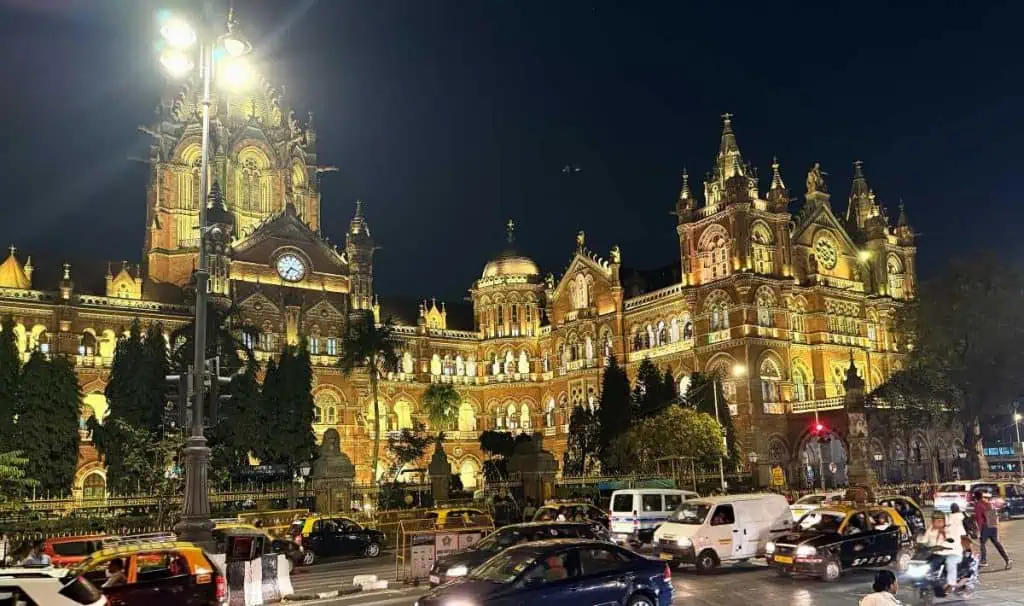
Completed in 1887, the station is a stunning blend of Victorian Gothic and Indian architecture. Illuminated against the night sky, the building seemed to glow.
What surprised us most was the crowd. Despite the late hour, the viewing area across from the station was packed with tourists and locals alike. Families posed for photos, visitors admired the architecture, and commuters kept streaming in and out of one of the world’s busiest railway stations.
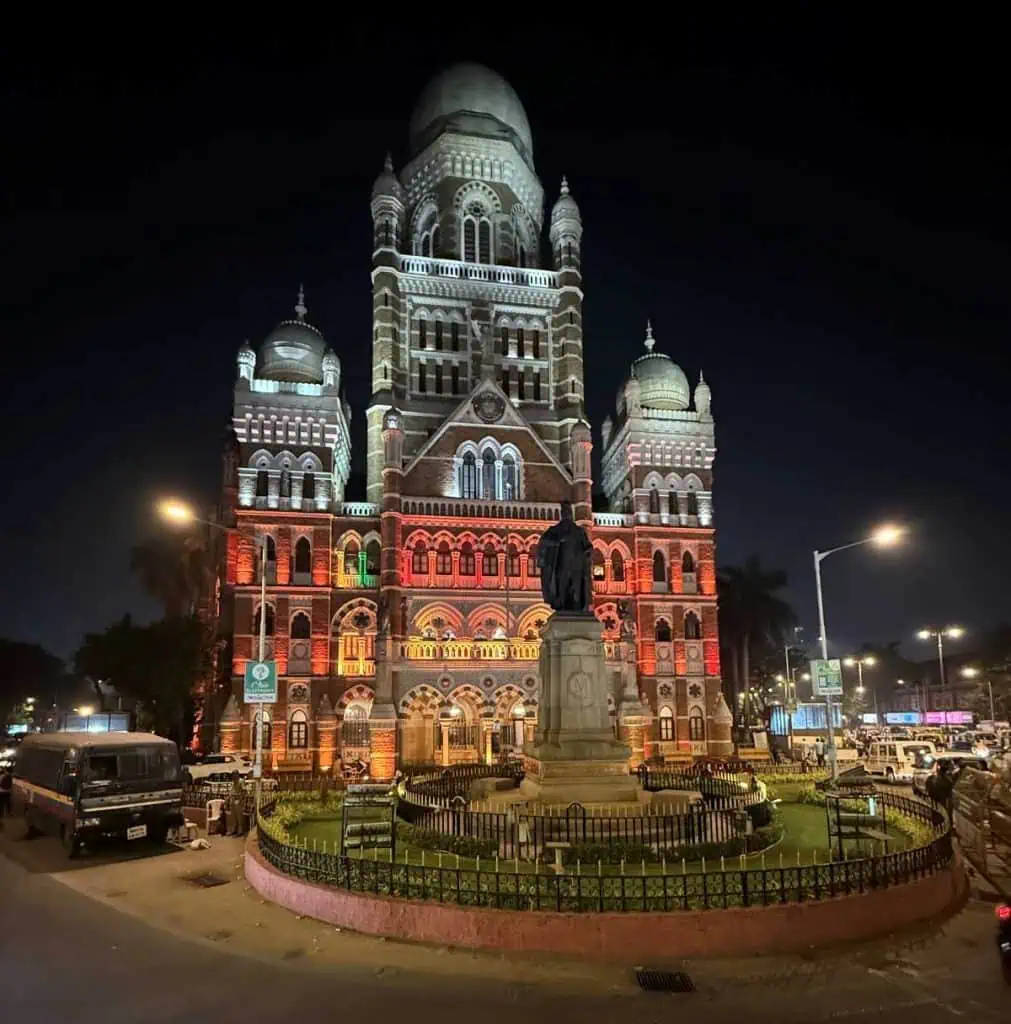
The scene perfectly captured Mumbai itself—a city where history, daily life, and endless energy converge long after sunset.
It was a fitting end to our first full day in the city.
Day Two: From Fishing Boats to Colonial Mumbai
After the intensity of Day One, our second day began with a short walk through Colaba to the Gateway of India.
A Morning Walk to the Gateway of India
Just a few blocks from our hotel stood Mumbai’s most recognizable landmark, the Gateway of India.
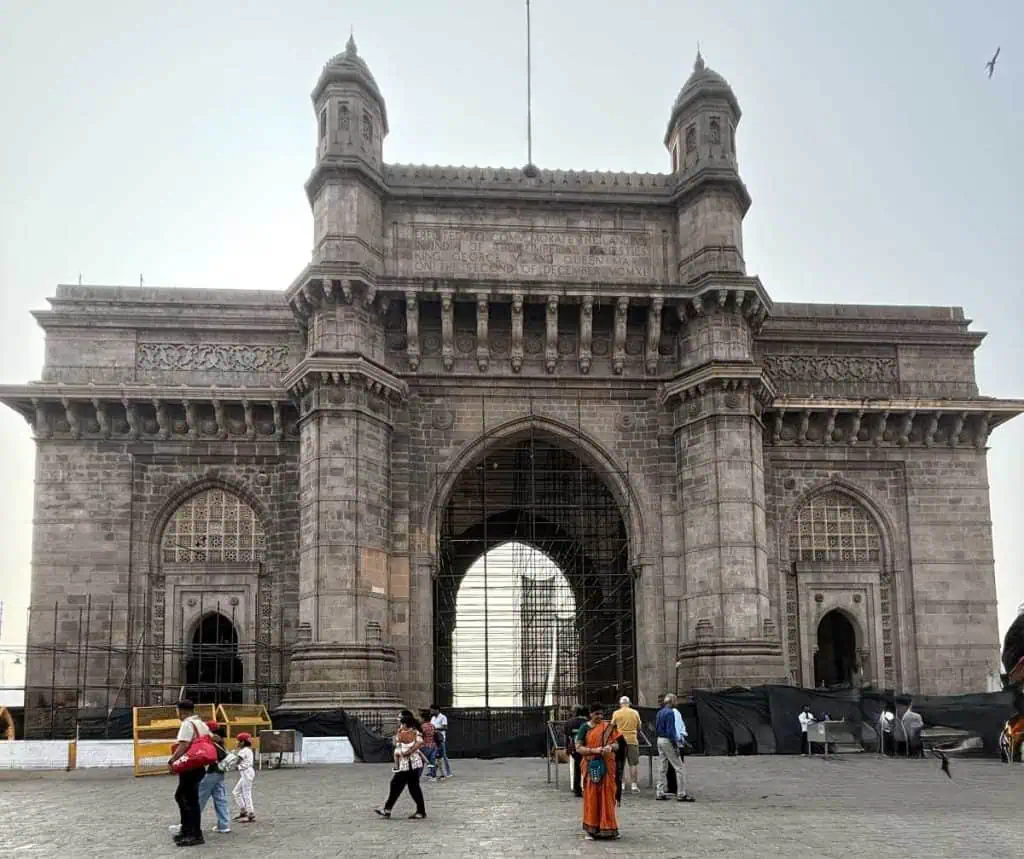
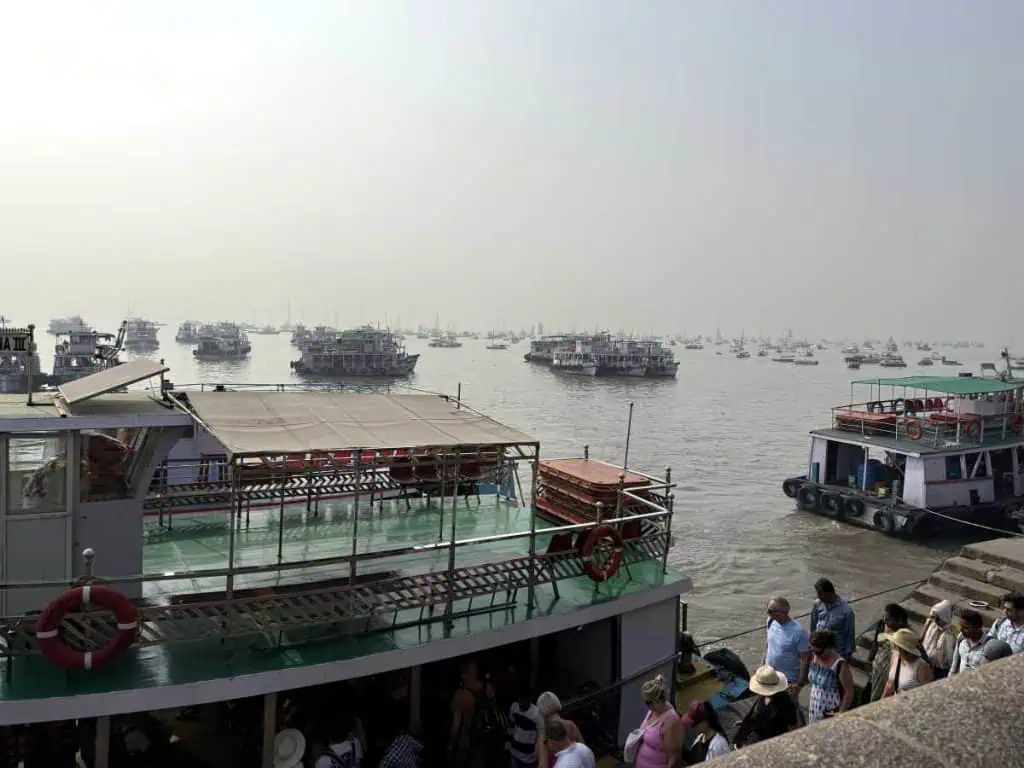
When we arrived, the waterfront was already coming to life. Families posed for photos, street vendors prepared for the day, and ferries crossed the harbor as fishing boats slipped through the morning haze.
Across the plaza, the iconic Taj Mahal Palace Hotel dominated the skyline, its red dome rising above the waterfront.
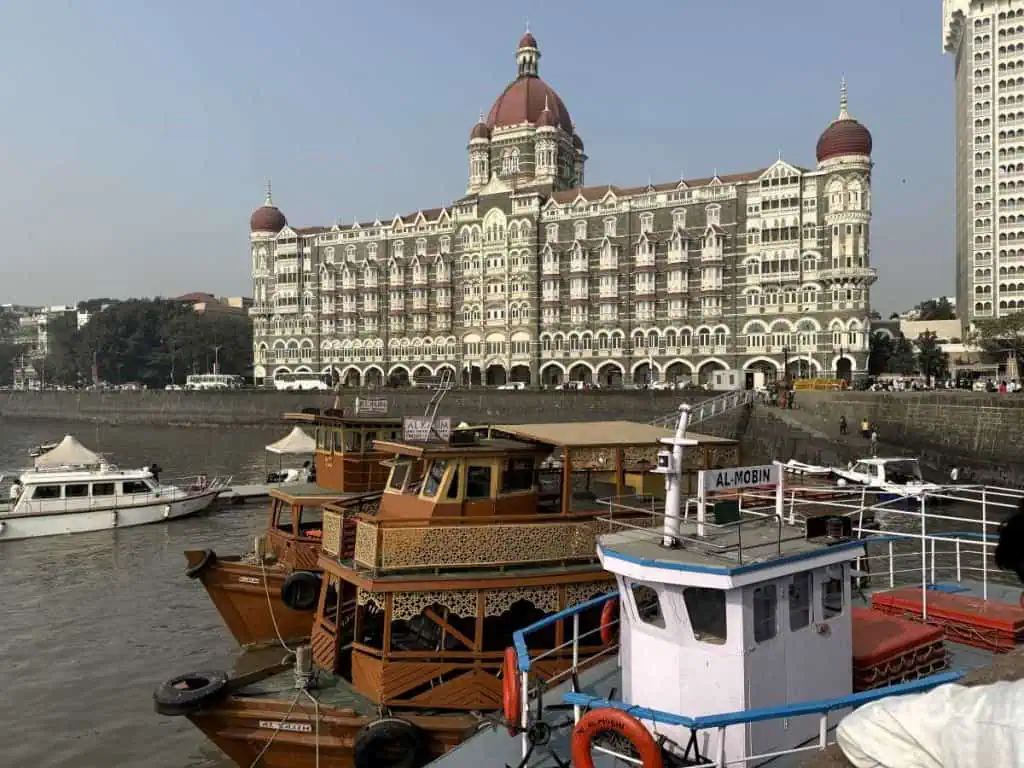
While the Gateway of India is one of Mumbai’s most photographed landmarks, what struck us most was the atmosphere. Locals and visitors mingled along the harbor, creating a scene that felt both historic and unmistakably alive.
After taking in the views, we met our taxi driver and headed toward one of the most interesting experiences of our trip: Mumbai’s famous fish market.
Sassoon Dock Fish Market
One of the most fascinating stops on our trip was Sassoon Dock, one of Mumbai’s oldest working fishing ports. Be aware, though, the market is pungent. Even though I was already wearing a face mask (to reduce the pollution entering my lungs), the smell hit us hard before we even entered the market.
Unlike many attractions, Sassoon Dock isn’t designed for tourists. It’s a working marketplace where the day’s catch moves from fishing boats to restaurants, markets, and homes across the city.
By the time we arrived later in the morning, much of the early auction activity had already taken place. Even so, the dock was still bustling. Workers unloaded fish, baskets moved through the market, and buyers continued negotiating prices.
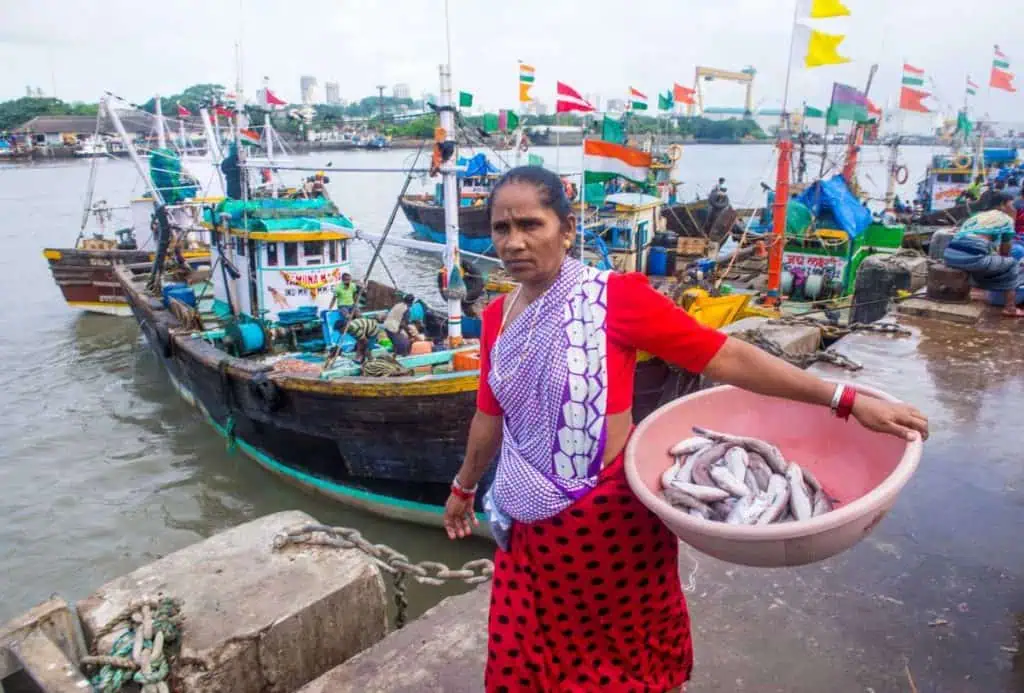
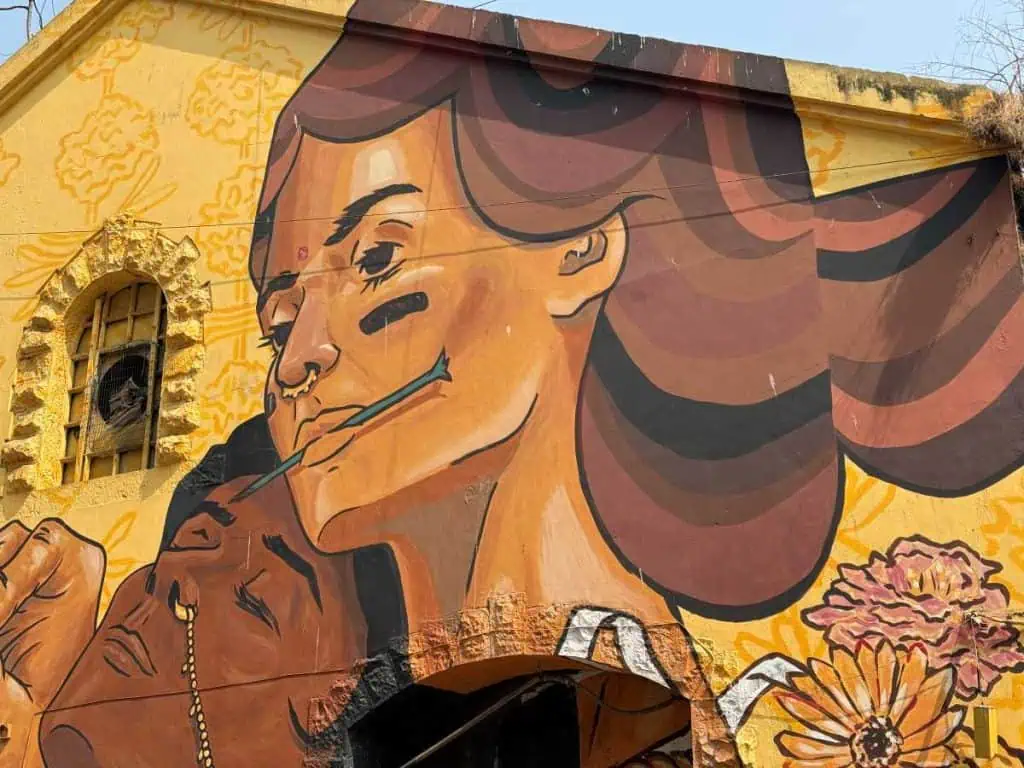
What stood out most was the prominent role women played throughout the market. Many managed auctions, sorted catches, negotiated sales, and coordinated distribution. The entire operation felt like a carefully choreographed system refined over generations.
If you plan to visit, arrive as early as possible. The busiest activity happens shortly after the fishing boats return, when the market is at its liveliest.
Like Dharavi, Sassoon Dock offered a glimpse into the Mumbai that many visitors never see—busy, hardworking, and authentically Mumbai.
Touring Colaba and South Mumbai
After leaving Sassoon Dock, we spent the next several hours exploring South Mumbai by taxi.
Throughout the city, colonial-era buildings stand alongside modern offices, busy markets, and crowded streets. The contrast between old and new seems constant, with historic facades overlooking a steady stream of taxis, motorcycles, and pedestrians.
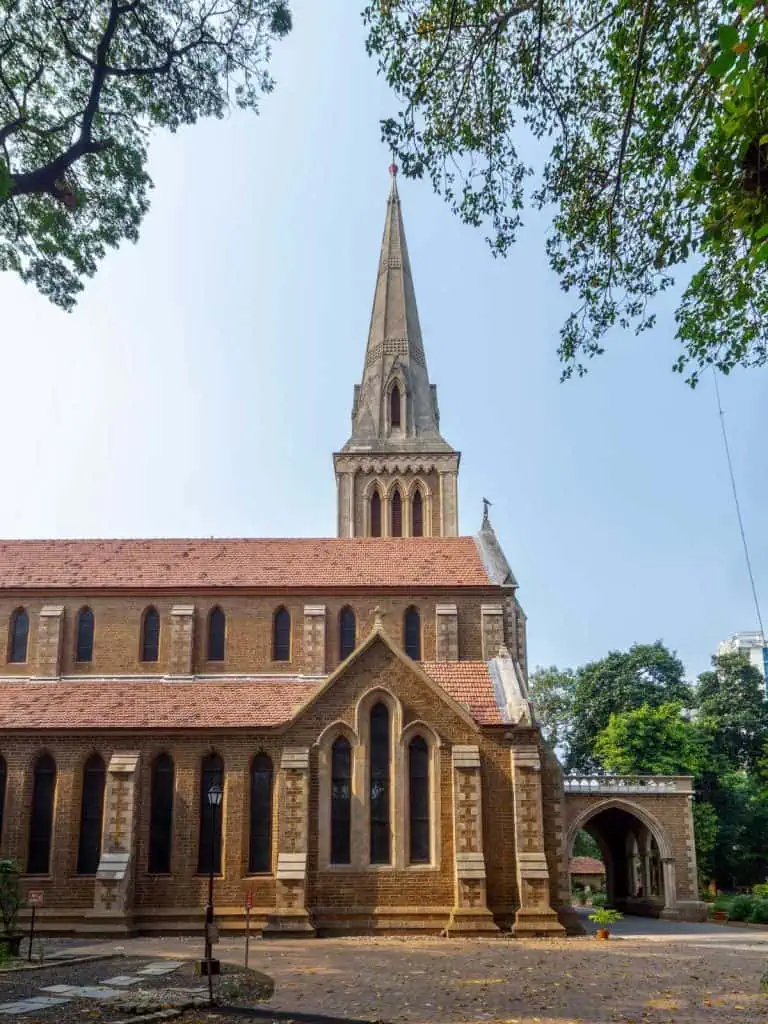
Colaba was especially enjoyable to explore. Cafés, markets, luxury hotels, apartment buildings, and small local businesses all share the same neighborhood, creating an atmosphere that feels both international and distinctly Indian.
Everywhere we looked, there was something worth photographing—from flower vendors and street-food stalls to historic buildings set against the modern skyline.
Along the Arabian Sea
Our final stop of the afternoon brought us to Mumbai’s waterfront promenade along the Arabian Sea.
After two days of markets, traffic, and nonstop activity, it was a welcome chance to slow down. Families strolled along the waterfront, joggers passed by, and locals gathered to enjoy the sea breeze and the views.
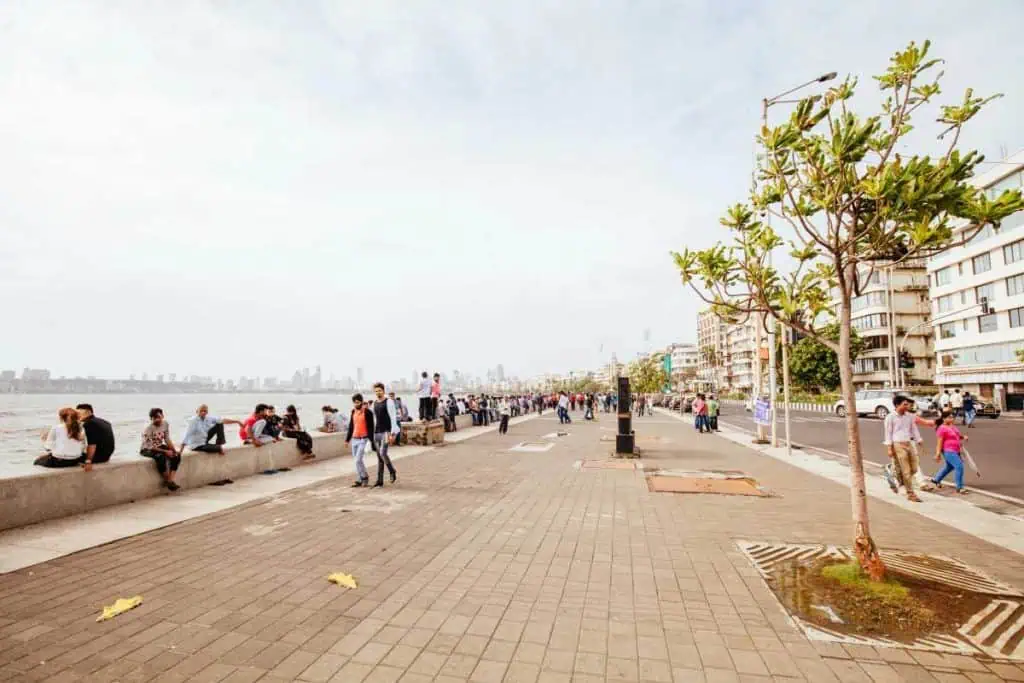
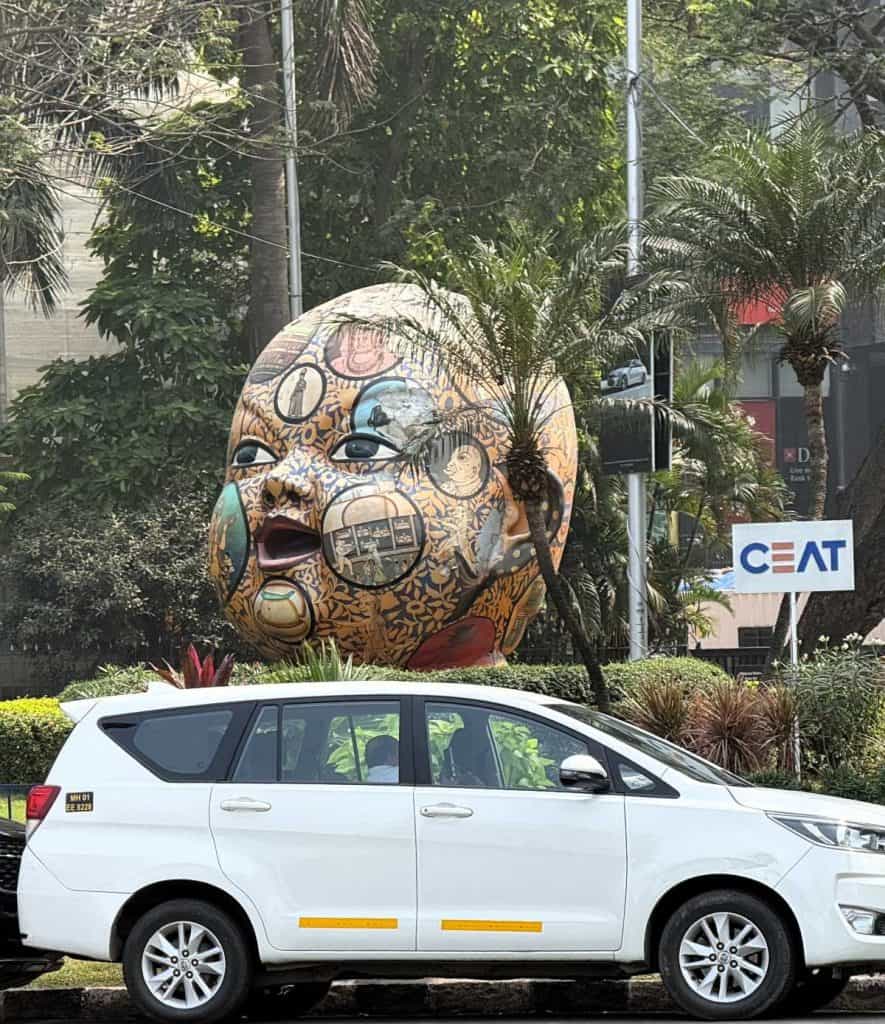
Looking back toward the skyline, we reflected on everything we had experienced during our short time in Mumbai. Yet the most memorable experience of our visit was still ahead.
That evening, we would trade restaurants and sightseeing for something far more personal: dinner in a local home.
Our Most Memorable Meal in Mumbai: Cooking in a Local Home
Of all the experiences we had in Mumbai, this is the one we still talk about most.
Arranged by our guide, Anand, the evening began with a visit to a local home for a private cooking class shared with another traveling couple. From the moment we stepped inside, it felt different from any restaurant experience. Family photos lined the walls, spices filled the air, and we were welcomed as guests rather than customers.
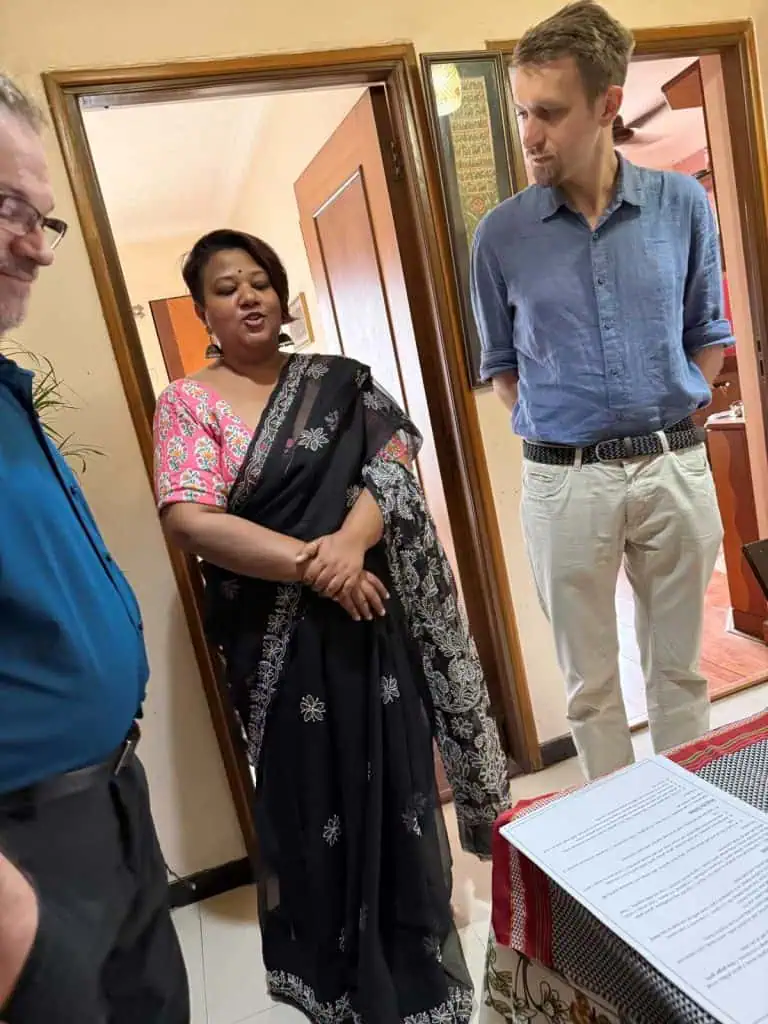
After brief introductions, our host began demonstrating several traditional Indian dishes, explaining not only the ingredients but also the techniques behind them. This wasn’t a hands-off cooking demonstration. Each of us had the chance to help prepare the meal, chopping vegetables, mixing spices, stirring sauces, and learning a few tricks that don’t typically make it into a cookbook.
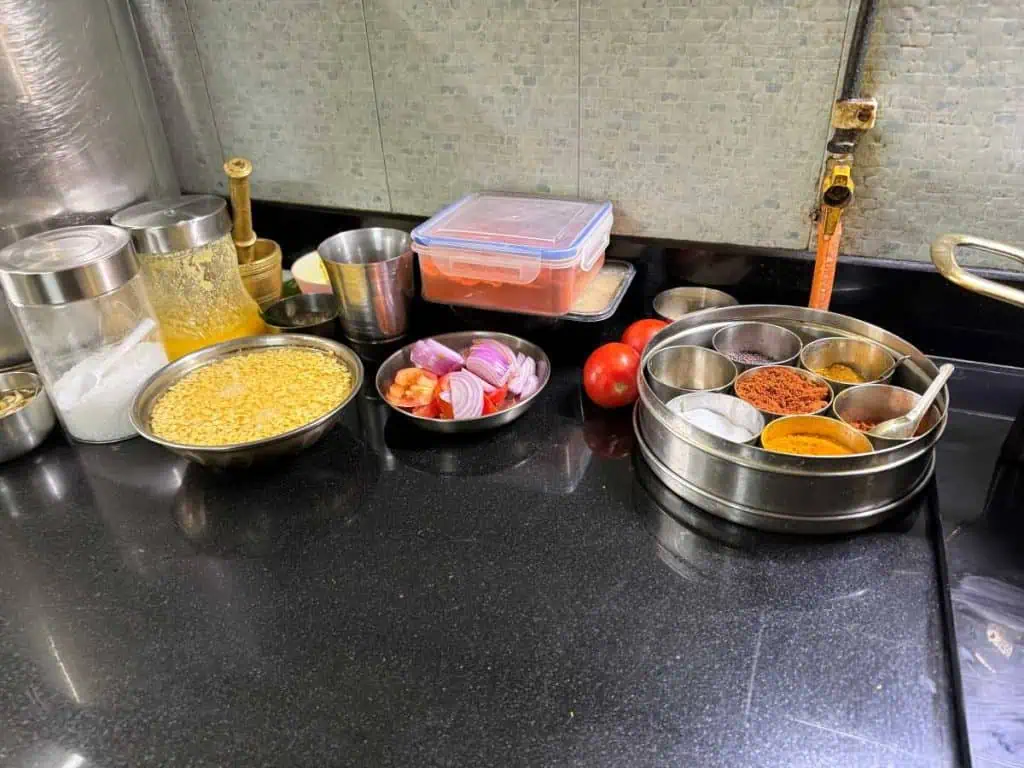
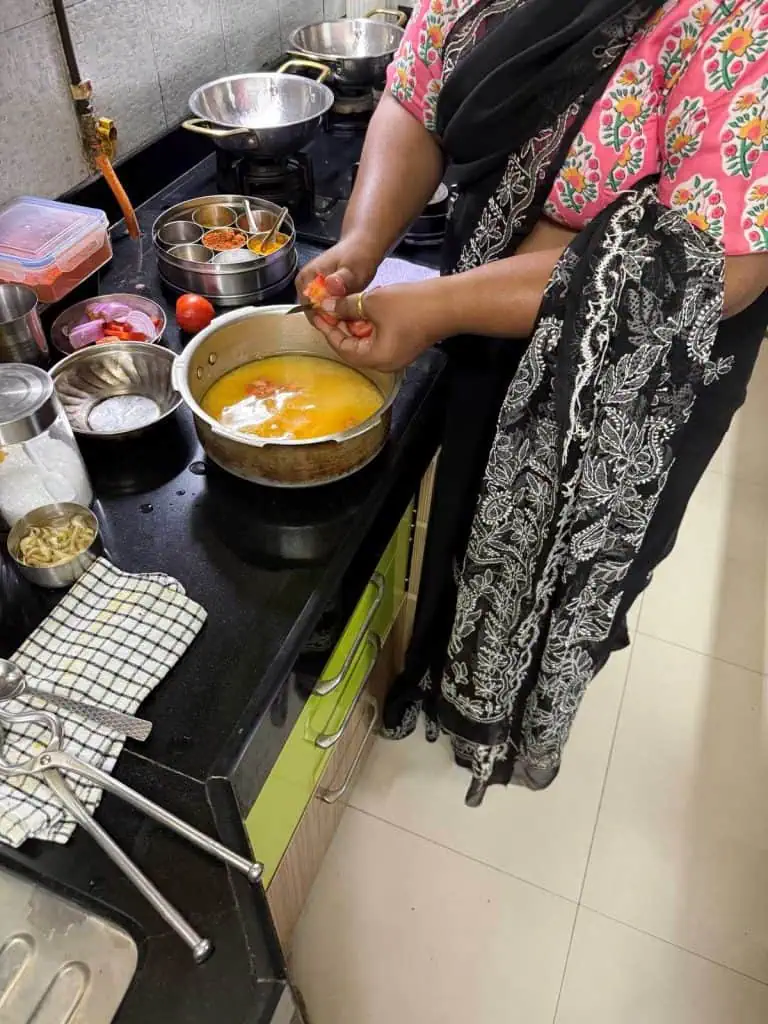
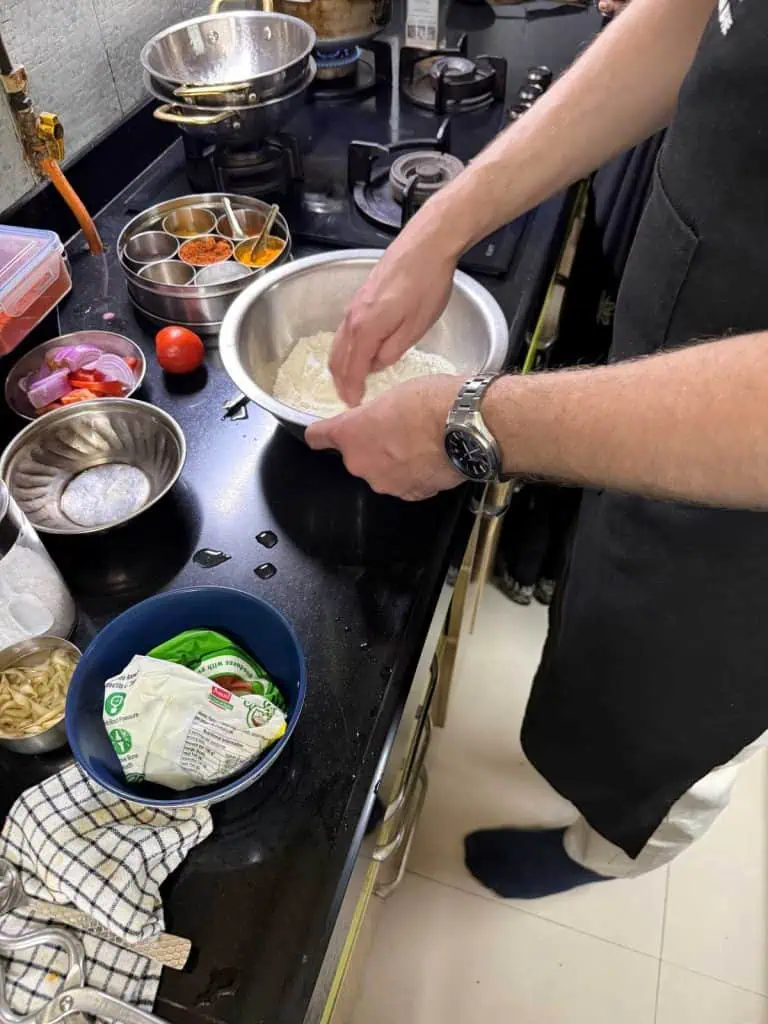
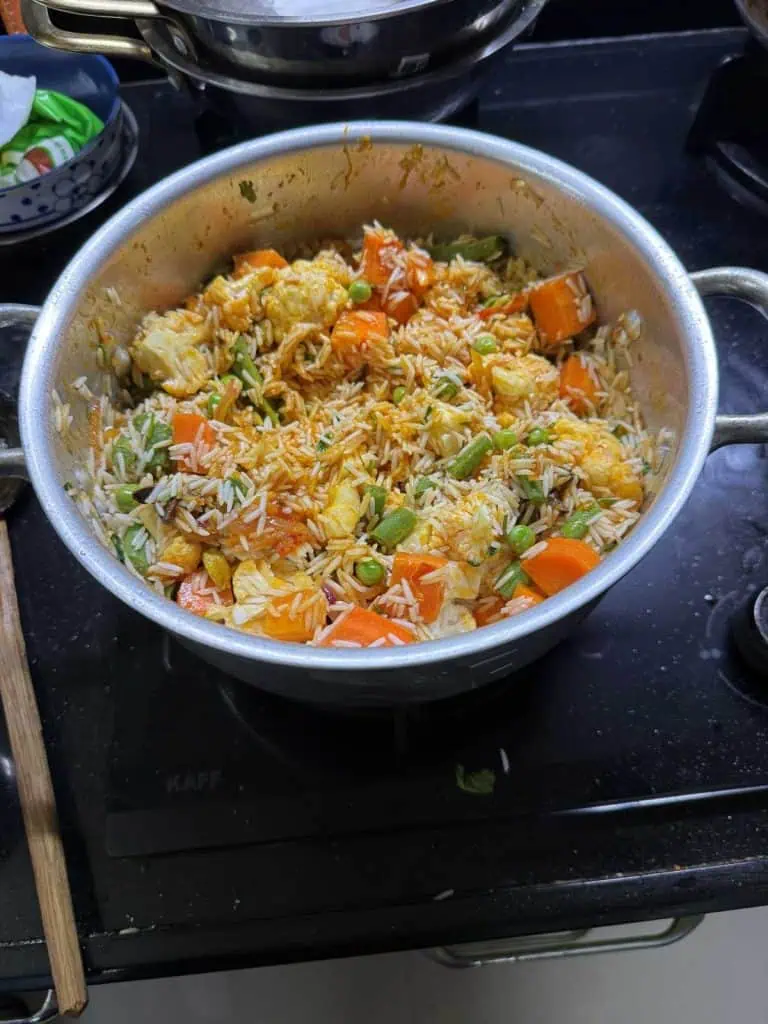
As dinner came together, conversation flowed easily around the kitchen counter. We talked about family, travel, life in Mumbai, and the similarities and differences between India and the United States. Our hosts shared stories about their city and daily life, while we exchanged tales from California and our travels across India.
By the time the meal was ready, the evening felt less like a cooking class and more like a dinner party.
Gathered around the table, the six of us enjoyed the dishes we had helped prepare while continuing the conversations that had begun in the kitchen. What began as a cultural activity became something far more personal — a chance to connect with people we would never have met otherwise.
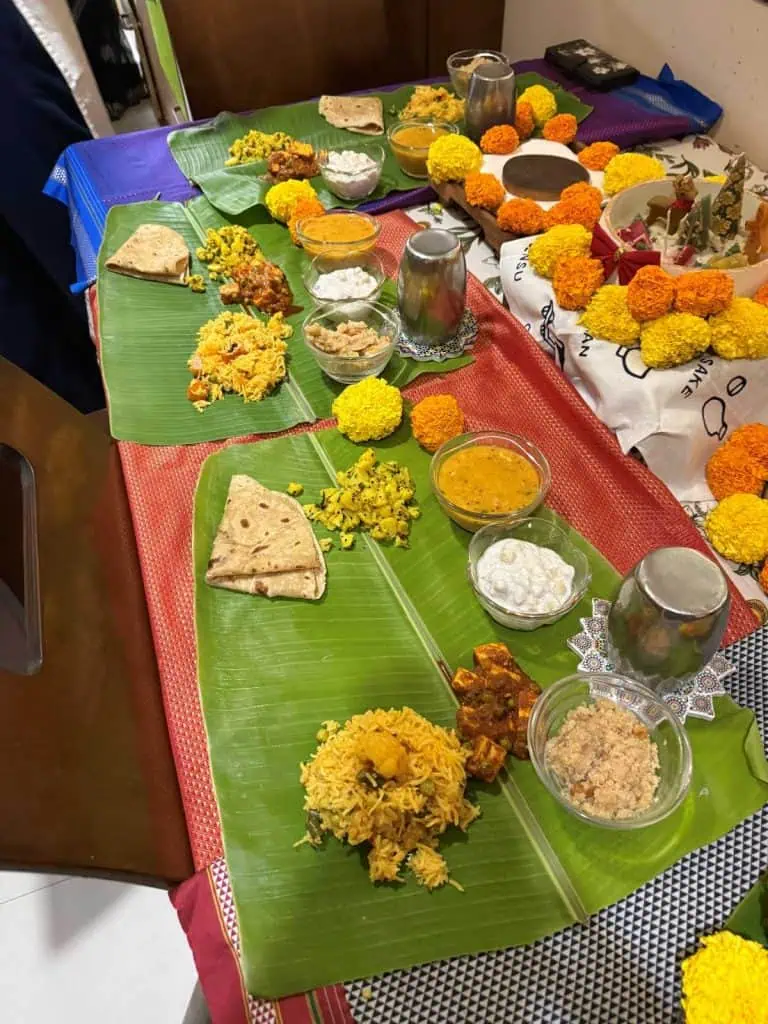
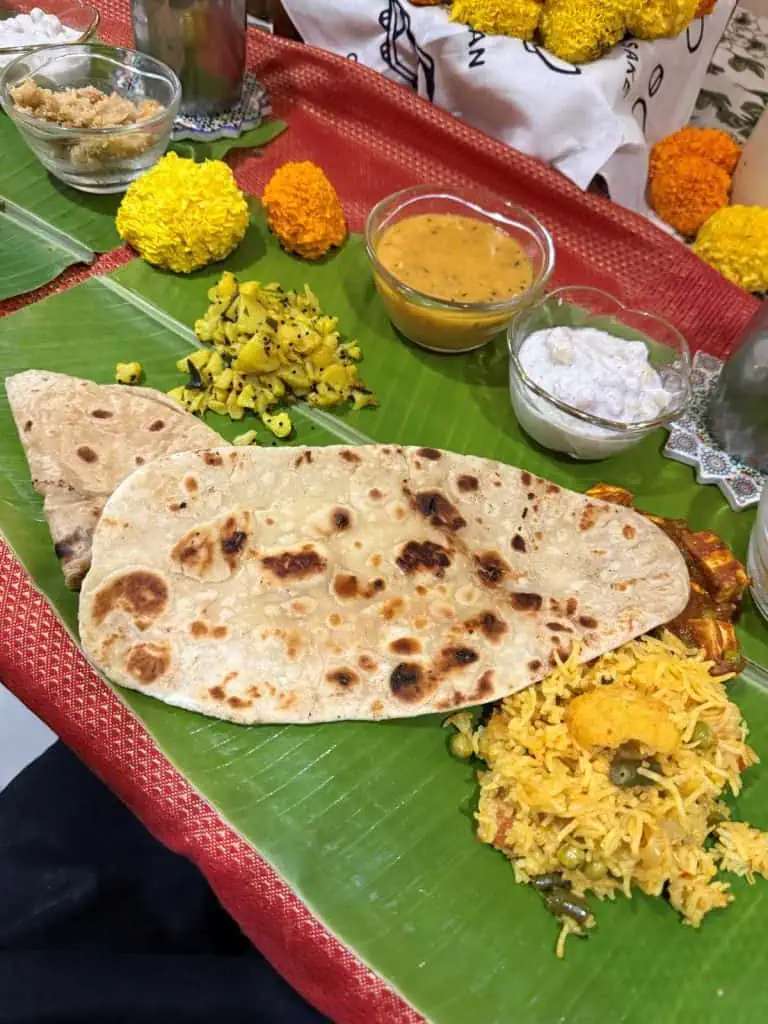
As we said our goodbyes that evening, we remembered that some of the most memorable travel experiences don’t happen at famous landmarks. They happen around kitchen tables, over shared meals, and in conversations that remind us how much we have in common.
The next morning, we would board our cruise and leave India behind. Yet this simple evening in a Mumbai apartment remains one of our favorite memories from the entire trip.
Final Thoughts On Spending 2 days In Mumbai Before A Cruise
Before arriving in Mumbai, we viewed it primarily as our cruise embarkation city. What we discovered was one of the most fascinating stops on our entire India journey.
Over two days, Mumbai challenged many of our assumptions. From the workshops of Dharavi to the bustling activity at Sassoon Dock, and an evening spent cooking in a local home, we experienced a side of the city that isn’t found in guidebooks alone.
Just days earlier, we had admired the monuments, palaces, and history of India’s Golden Triangle. Mumbai offered something different, introducing us to the people, neighborhoods, traditions, and industries that power modern India.
As we boarded our cruise to Southeast Asia the following morning, some of our strongest memories weren’t of famous landmarks. They were of entrepreneurs at work in Dharavi, women running the fish market at Sassoon Dock, and conversations shared around a family dinner table.
For travelers embarking on a cruise from Mumbai, our advice is simple: arrive a day or two early. Give yourself time to explore beyond the harbor.
You may discover, as we did, that Mumbai is far more than a departure port — It’s one of the highlights of the journey.
Would We Visit Again?
Absolutely.
Two days gave us an excellent introduction to Mumbai, but it also left us wanting to see more. We barely scratched the surface of a city that offers endless opportunities for exploration.
For many travelers, Mumbai serves as a gateway to India or a starting point for a cruise. We would encourage visitors to view it as a destination in its own right.
Spend a little extra time here. You may find, as we did, that some of your most memorable experiences happen before your cruise ever leaves the dock.
Practical Tips for Spending 2 Days in Mumbai Before a Cruise
If you’re planning your own pre-cruise stay in Mumbai, here are a few lessons we learned during our visit.
Where to Stay
We stayed at the Suba Palace Hotel in Colaba and found it to be an excellent base for exploring South Mumbai.
One of the biggest advantages of Colaba is its walkability. The Gateway of India, the Taj Mahal Palace Hotel, Leopold Café, and numerous restaurants and shops are all within easy reach. The neighborhood is also convenient for taxis and guided tours.
For first-time visitors, Colaba is one of the most practical and enjoyable areas in Mumbai to use as a home base.
How Much Time Do You Need?
- One Night
If your schedule is tight, an overnight stay allows enough time to see the Gateway of India, enjoy a good meal, and explore part of South Mumbai.
- Two Nights
In our opinion, two nights is the sweet spot.
It provides enough time to visit some of Mumbai’s most interesting neighborhoods, experience local culture, and enjoy the city without feeling rushed.
- Three Nights or More
If you have additional time, consider adding visits to the Elephanta Caves, additional museums or art galleries, or a Bollywood-related tour.
Getting Around Mumbai
- Much of our experience was arranged through our guide, Anand Sharma, whose local knowledge helped us experience parts of Mumbai we would never have discovered on our own.
- Mumbai is a large city, and traffic can be significant throughout the day.
- For visitors, the easiest transportation options are:
- Ride-share services such as Uber
- Traditional taxis
- Walking within Colaba and South Mumbai
- Guided tours for major sightseeing days
- We used a combination of guided tours, taxis, and walking, which worked very well for our short stay.
Is Mumbai Safe for Visitors?
Like any major city, common-sense precautions are important.
During our visit, we found the residents welcoming, friendly, and eager to help when needed.
A few practical tips include:
- Carry bottled water.
- Dress modestly when visiting religious or traditional areas.
- Watch your footing on uneven sidewalks.
- Allow extra travel time due to traffic.
- Keep valuables secure in crowded markets.
Most importantly, arrive with an open mind. Mumbai can feel overwhelming at first, but much of its charm comes from embracing the city’s energy rather than trying to avoid it.